Optimizing Digital Journeys: A WeTheNorthLinksUrl Guide to Enhanced Engagement
Navigating the Digital Landscape: Crafting Seamless User Journeys 🚀 The evolution of digital interaction has profoundly reshaped how...
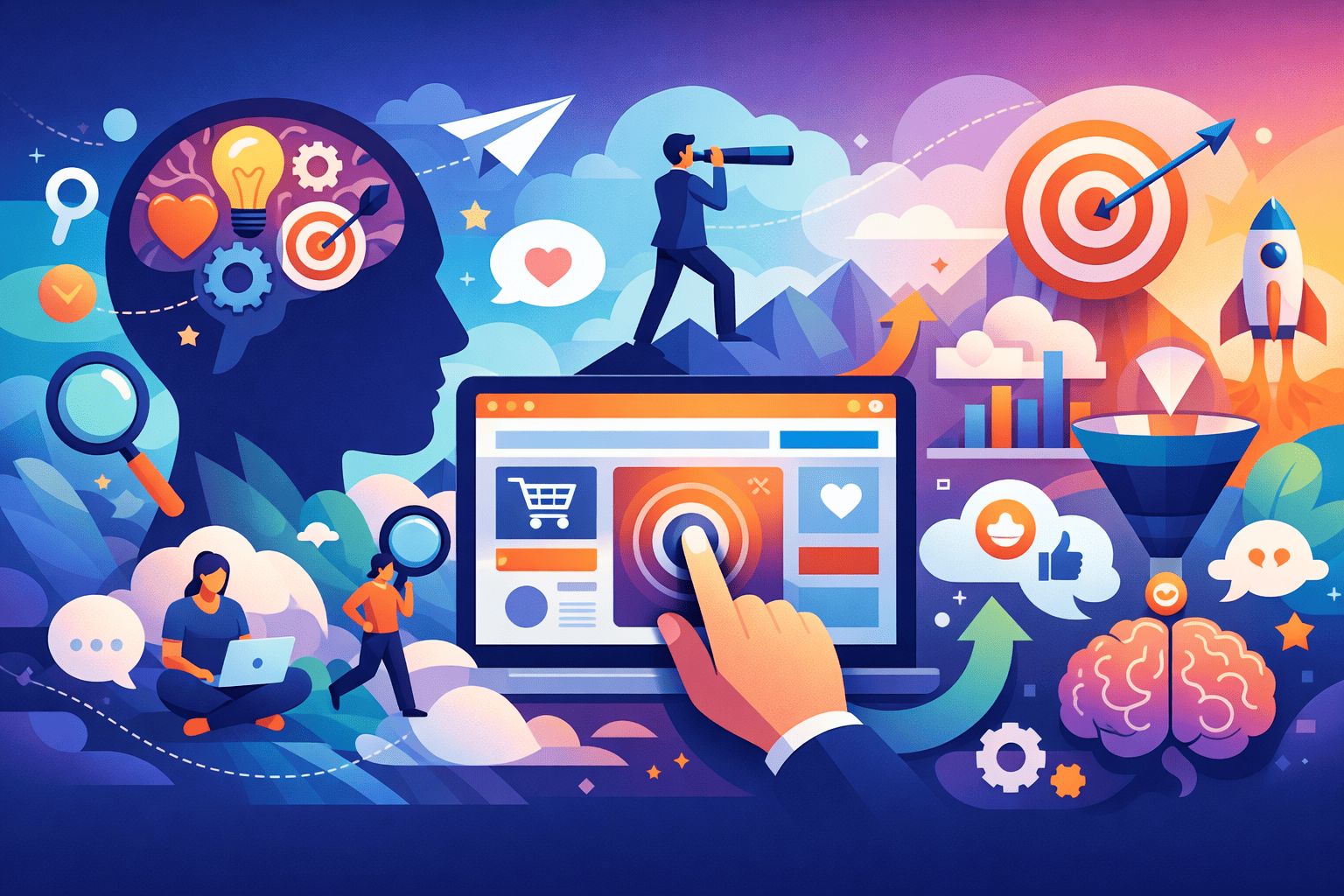
The digital landscape has transformed how we interact with information and services. From simple searches to complex transactions, every click, tap, and scroll is a deliberate action driven by underlying human cognition. Early explorations in human-computer interaction focused primarily on usability and interface design, ensuring systems were intuitive and functional. However, as technology matured, a deeper question emerged: What truly motivates a user to engage? This inquiry paved the way for a more profound understanding of digital behavior.
Historically, understanding user behavior in digital realms was often a reactive process, relying on analytics to track what users did rather than why they did it. This approach, while providing valuable data points, frequently missed the nuanced psychological drivers. Researchers began integrating principles from cognitive psychology, behavioral economics, and social psychology to construct a more holistic view. The goal shifted from merely observing actions to inferring the intent behind them, recognizing that a click is rarely an isolated event but rather a step in a larger cognitive journey.
The challenge lies in the sheer complexity and variability of human intent. A user might click a link out of curiosity, a specific need, a desire for entertainment, or even by accident. Distinguishing between these motivations is paramount for crafting truly effective digital experiences. Prior studies often highlighted the influence of factors like perceived utility, ease of use, and visual appeal. Yet, these elements are often just surface manifestations of deeper psychological states, such as a user's current goals, emotional context, or prior experiences.
This evolving field recognizes that digital interactions are not purely rational. Subconscious biases, emotional responses, and even environmental factors can significantly sway a user's decision-making process. Understanding this intricate web of influences allows designers and developers to move beyond generic solutions, creating experiences that resonate on a more personal and effective level. It’s about anticipating needs and designing pathways that naturally align with human cognitive patterns, fostering meaningful engagement rather than just fleeting attention.
One of the most compelling areas involves the interplay between explicit and implicit user intent. Explicit intent is directly communicated; implicit is inferred from browsing patterns. The debate centers on how accurately algorithms can truly understand underlying motivations without direct input, posing a key challenge.
Personalization algorithms attempt to decipher implicit intent by analyzing past behavior to predict future needs. While effective, they raise questions about filter bubbles and reinforcing biases. The challenge is to offer personalized experiences that feel helpful and intuitive, not intrusive, respecting user autonomy.
User intent is dynamic; a goal can evolve rapidly within a single session or across interactions. A casual browse might become a serious inquiry. This fluidity demands adaptable digital experiences, capable of recognizing shifts in user psychology and responding appropriately, avoiding static designs.
Cognitive biases significantly impact digital interactions. Confirmation bias and anchoring effects subtly guide user decisions, leading to clicks on confirming content or first options. Understanding these biases enables ethical design, presenting information clearly and avoiding unintended manipulation, fostering trust in the digital realm.
Ethical implications of understanding user psychology are crucial. As WeTheNorthLinksUrl gains insights into motivations, constructive use of this knowledge is paramount. The line between guiding users and subtly influencing choices is fine. Transparency and user well-being are essential for maintaining integrity in digital design.
Deciphering user intent creates empathetic digital ecosystems, not mind-reading. It involves continuous observation, hypothesis, and refinement. Combining robust data analytics with qualitative psychological insights offers the most comprehensive picture. This integrated approach develops tools that genuinely serve user needs, enhancing their overall experience with platforms like those developed by WeTheNorthLinksUrl.
Navigating the Digital Landscape: Crafting Seamless User Journeys 🚀 The evolution of digital interaction has profoundly reshaped how...
Unlocking Digital Journeys: Optimizing Experiences Through Behavioral Insights Background & Evolution of User Insights 🚀 Early...

Unlocking Digital Potential: Strategies for Enhanced User Engagement 🚀 The digital landscape is increasingly competitive, demanding more...